


BESTCON2025
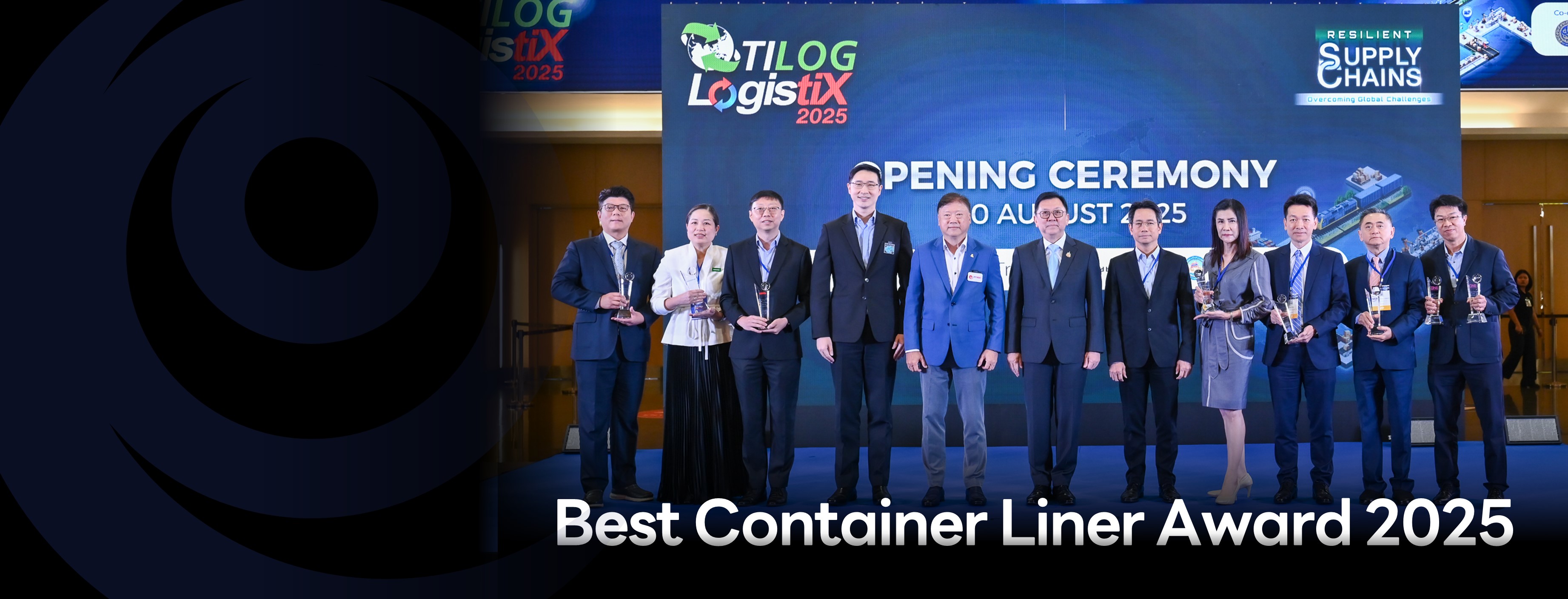
TNSC Best Container Liner Award มุ่งหวังที่จะเชิดชูและมอบรางวัลให้แก่สายเรือตู้คอนเทนเนอร์ที่มีคุณภาพการบริการที่เป็นเลิศ โดยพิจารณาจากความเห็นและความพึงพอใจโดยรวมในด้านต่างๆของผู้ใช้บริการ
Export Your Value
“การส่งออกของประเทศไทยจะต้องพัฒนาไปสู่การสร้างมูลค่าเพิ่มให้กับสินค้าด้วยเทคโนโลยีและนวัตกรรม โดยคำนึงถึงสิ่งแวดล้อม สร้างตราสินค้าและมาตรฐานให้เป็นที่ยอมรับในเวทีการค้าโลก”…..
เราคือองค์กรตัวแทนผู้ส่งออกไทย
เราคือองค์กรตัวแทนผู้ส่งออกไทย
สภาผู้ส่งสินค้าทางเรือแห่งประเทศไทย (สรท.) หรือ สภาผู้ส่งออก ก่อตั้งเมื่อวันที่ 29 มกราคม พ.ศ.2537 ดำเนินงานในฐานะองค์กรตัวแทนของผู้ส่งออกจนเป็นที่ยอมรับจากหน่วยงานต่างๆ ทั้งภาครัฐและเอกชน ทั้งในประเทศและต่างประเทศ

TNSC Highlight
เราคือองค์กรตัวแทนผู้ส่งออกไทย
เราคือองค์กรตัวแทนผู้ส่งออกไทย
สภาผู้ส่งสินค้าทางเรือแห่งประเทศไทย (สรท.) หรือ สภาผู้ส่งออก ก่อตั้งเมื่อวันที่ 29 มกราคม พ.ศ.2537 ดำเนินงานในฐานะองค์กรตัวแทนของผู้ส่งออกจนเป็นที่ยอมรับจากหน่วยงานต่างๆ ทั้งภาครัฐและเอกชน ทั้งในประเทศและต่างประเทศ
เพิ่มเติม

บริการสืบค้นข้อมูลผู้นำเข้าสินค้าด้วย (EximRadars)
ช่วยให้ผู้ส่งออกไทยลดต้นทุนและเวลาในการหาลูกค้าต่างประเทศ ด้วยฐานข้อมูล ผู้นำเข้าจากข้อมูลศุลกากรและสายเรือ ทำให้เข้าถึงข้อมูลเชิงลึกและติดต่อผู้นำเข้าได้ อย่างง่าย รวดเร็ว และมีประสิทธิภาพ

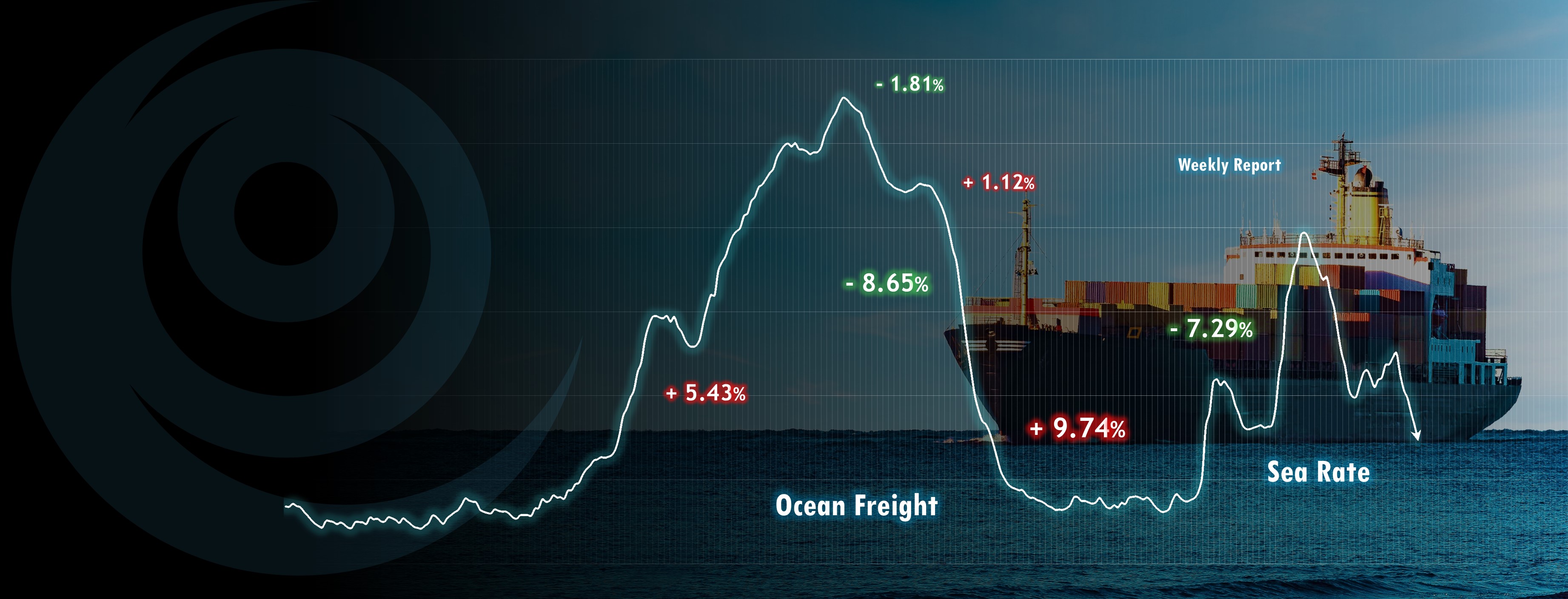
ค่าระวางเรือประจำสัปดาห์ (Spot Rates)
ช่วยให้คุณรู้เท่าทันความเป็นไปในตลาดการขนส่งสินค้าทางทะเล มุ่งเน้นในท่าเรือ ปลายทางส่งออกสำคัญของประเทศไทย เป็นตัวช่วยตัดสินใจหรือต่อรองกับผู้ให้บริการ รวมไปถึงข้อมูลข่าวสารอุตสาหกรรมโลจิสติกส์ระหว่างประเทศ และดัชนีค่าระวางเรือ SCFI หรือ Shanghai Containerized Freight Index

รับส่วนลด 10% เมื่อสมัครอบรม 1 Day Courses
สิทธิประโยชน์ และการบริการโดยไม่เสียค่าใช้จ่ายสำหรับสมาชิก
- ได้รับส่วนลด 10% สำหรับค่าลงทะเบียนเข้าอบรมหลักสูตรออนไลน์แบบมีค่าลงทะเบียน (1 Day Online Training) ตลอดปี 2568
(สมาชิกสามัญ) เพียงท่านละ 3,370.50 บาท/ท่าน/หลักสูตร จากราคาปกติ 3,745 บาท/ท่าน/หลักสูตร (ราคารวม VAT)
- สิทธิในการเข้าร่วมอบรมหลักสูตรและกิจกรรมสัมมนา Online ภายใต้โครงการ GoTogether#5 โดยไม่เสียค่าใช้จ่ายตลอดปี 2568 เพื่อส่งเสริมการพัฒนาบุคลากรของบริษัท

ข่าวสารด้านเศรษฐกิจการค้า
สรุปข่าวเศรษฐกิจ การค้า และการนำเข้า-ส่งออก ประเด็นสำคัญที่ส่งผลต่อธุรกิจ ทั้งในและต่างประเทศ ครอบคลุมการเติบโตทางเศรษฐกิจ อัตราแลกเปลี่ยน การปรับ ขึ้นดอกเบี้ย อัตราเงินเฟ้อ อัตราภาษี ข้อตกลงทางการค้า การเปลี่ยนแปลงนโยบาย ภาครัฐ และโอกาสในตลาดใหม่ๆ ที่ผู้นำเข้า-ส่งออก จำเป็นต้องรู้ เพื่อปรับกลยุทธ์ และเพิ่มความสามารถในการแข่งขัน

บริการรับรองฐานะทางการเงิน
บริการรับรองฐานะทางการเงิน สำหรับการขอจัดระดับเป็นผู้ส่งออกที่ดีและผู้ส่งออก ขึ้นทะเบียนกับกรมสรรพากร รวมถึงการออกหนังสือรับรองสิทธิ์ในการเป็นผู้นำเข้า และผู้ส่งออกตามมาตรฐาน AEO (Authorized Economic Operator) โดยไม่เสียค่าใช้จ่าย!

เปรียบเทียบ และ จองเฟรท
แพลตฟอร์มออนไลน์ ช่วยผู้นำเข้าส่งออก เปรียบเทียบและจองขนส่ง ติดตามสถานะเอกสาร และวิเคราะห์ข้อมูลนำเข้า ส่งออก
บริการสืบค้นข้อมูลผู้นำเข้าสินค้าด้วย (EximRadars)
ช่วยให้ผู้ส่งออกไทยลดต้นทุนและเวลาในการหาลูกค้าต่างประเทศ ด้วยฐานข้อมูล ผู้นำเข้าจากข้อมูลศุลกากรและสายเรือ ทำให้เข้าถึงข้อมูลเชิงลึกและติดต่อผู้นำเข้าได้ อย่างง่าย รวดเร็ว และมีประสิทธิภาพ
ค่าระวางเรือประจำสัปดาห์ (Spot Rates)
ช่วยให้คุณรู้เท่าทันความเป็นไปในตลาดการขนส่งสินค้าทางทะเล มุ่งเน้นในท่าเรือ ปลายทางส่งออกสำคัญของประเทศไทย เป็นตัวช่วยตัดสินใจหรือต่อรองกับผู้ให้บริการ รวมไปถึงข้อมูลข่าวสารอุตสาหกรรมโลจิสติกส์ระหว่างประเทศ และดัชนีค่าระวางเรือ SCFI หรือ Shanghai Containerized Freight Index
รับส่วนลด 10% เมื่อสมัครอบรม 1 Day Courses
สิทธิประโยชน์ และการบริการโดยไม่เสียค่าใช้จ่ายสำหรับสมาชิก
- ได้รับส่วนลด 10% สำหรับค่าลงทะเบียนเข้าอบรมหลักสูตรออนไลน์แบบมีค่าลงทะเบียน (1 Day Online Training) ตลอดปี 2568
(สมาชิกสามัญ) เพียงท่านละ 3,370.50 บาท/ท่าน/หลักสูตร จากราคาปกติ 3,745 บาท/ท่าน/หลักสูตร (ราคารวม VAT)
- สิทธิในการเข้าร่วมอบรมหลักสูตรและกิจกรรมสัมมนา Online ภายใต้โครงการ GoTogether#5 โดยไม่เสียค่าใช้จ่ายตลอดปี 2568 เพื่อส่งเสริมการพัฒนาบุคลากรของบริษัท
ข่าวสารด้านเศรษฐกิจการค้า
สรุปข่าวเศรษฐกิจ การค้า และการนำเข้า-ส่งออก ประเด็นสำคัญที่ส่งผลต่อธุรกิจ ทั้งในและต่างประเทศ ครอบคลุมการเติบโตทางเศรษฐกิจ อัตราแลกเปลี่ยน การปรับ ขึ้นดอกเบี้ย อัตราเงินเฟ้อ อัตราภาษี ข้อตกลงทางการค้า การเปลี่ยนแปลงนโยบาย ภาครัฐ และโอกาสในตลาดใหม่ๆ ที่ผู้นำเข้า-ส่งออก จำเป็นต้องรู้ เพื่อปรับกลยุทธ์ และเพิ่มความสามารถในการแข่งขัน
บริการรับรองฐานะทางการเงิน
บริการรับรองฐานะทางการเงิน สำหรับการขอจัดระดับเป็นผู้ส่งออกที่ดีและผู้ส่งออก ขึ้นทะเบียนกับกรมสรรพากร รวมถึงการออกหนังสือรับรองสิทธิ์ในการเป็นผู้นำเข้า และผู้ส่งออกตามมาตรฐาน AEO (Authorized Economic Operator) โดยไม่เสียค่าใช้จ่าย!
เปรียบเทียบ และ จองเฟรท
แพลตฟอร์มออนไลน์ ช่วยผู้นำเข้าส่งออก เปรียบเทียบและจองขนส่ง ติดตามสถานะเอกสาร และวิเคราะห์ข้อมูลนำเข้า ส่งออก

หลักสูตรอบรมด้านโลจิสติกส์ และการค้าระหว่างประเทศ
หลักสูตรอบรมด้านโลจิสติกส์
และการค้าระหว่างประเทศ
และการค้าระหว่างประเทศ
1 Day Training
หลักสูตรอบรมครอบคลุมเนื้อหาทุกสายงานด้านโลจิสติกส์และการค้าระหว่างประเทศสำหรับผู้เริ่มต้นและผู้มีประสบการณ์


Site Visit
การสำรวจโลจิสติกส์ของทั้งธุรกิจต้นแบบและท่าเรือหลัก เพื่อเรียนรู้ขั้นตอนและการดำเนินงานจริง
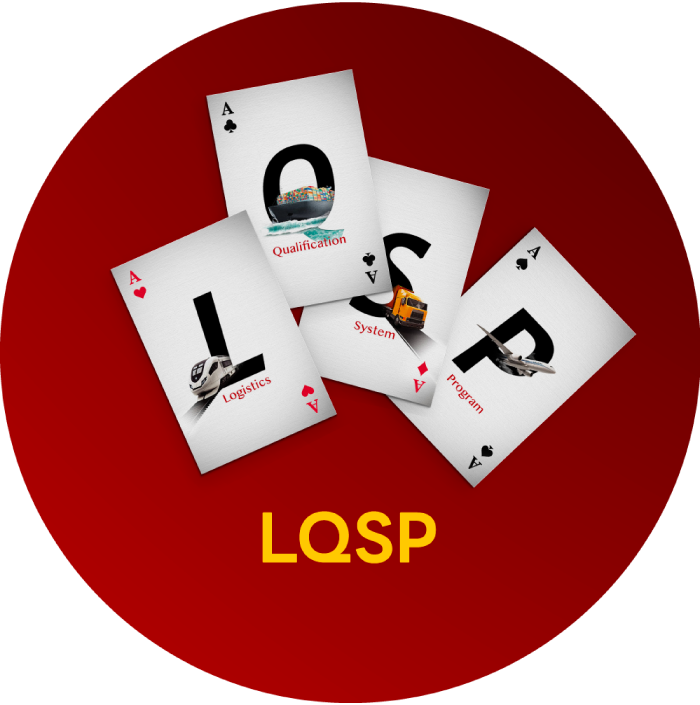
LQSP
(Logistics Qualification System Program) หลักสูตรประกาศนียบัตรโลจิสติกส์สำหรับผู้บริหารระดับกลาง
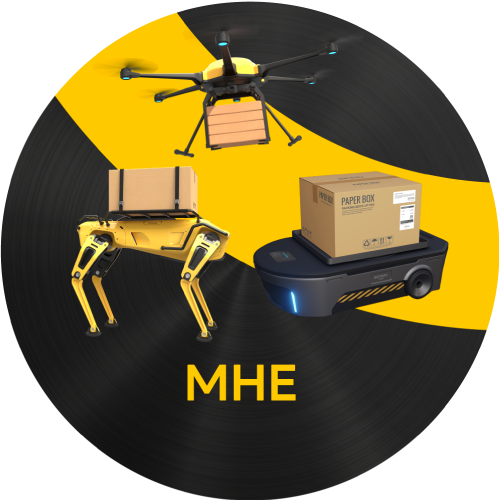
MHE
(Material Handling Equipment Program) หลักสูตรต้นแบบจากประเทศญี่ปุ่นเพื่อพัฒนาทักษะบุคลากร ให้สามารถวางแผนและบริหารจัดการคลังสินค้า รวมถึงการใช้เครื่องมือต่างๆ อย่างมีประสิทธิภาพ

In-House Training
(Internal Training) การอบรมเชิงลึกที่คุณสามารถออกแบบให้เหมาะกับองค์กรของคุณเอง
ได้รับความไว้วางใจจาก


กิจกรรม สรท.
ข่าวสาร สรท.
สนับสนุนโดย